
UK Bill to Grant Bitcoin and NFTs Legal Property Rights
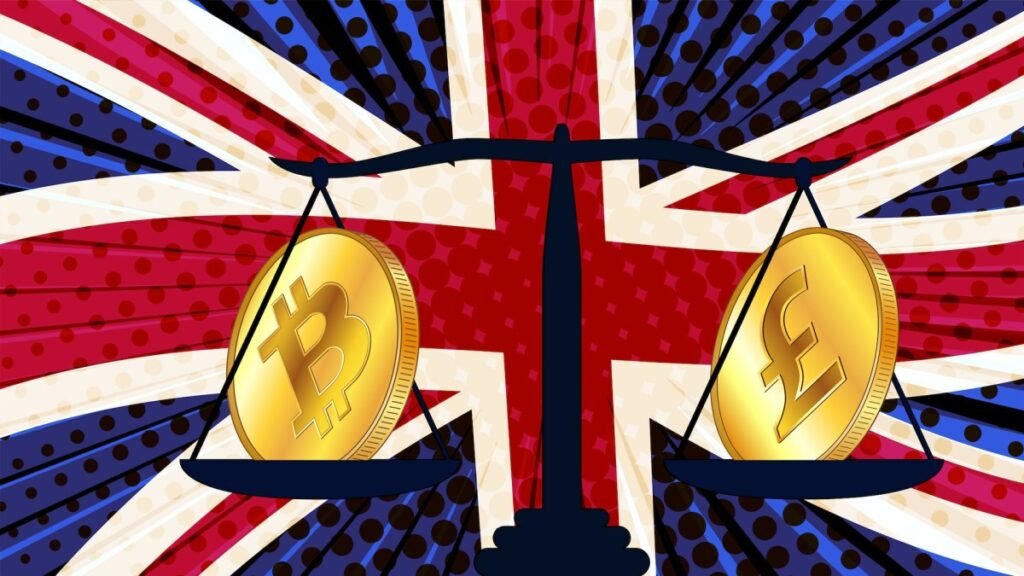
The U.K. government has introduced a pioneering bill to Parliament to establish new legal protections for digital assets, including cryptocurrencies, non-fungible tokens (NFTs), and carbon credits, by officially classifying them as personal property.
A Shift in Global Crypto Regulation
This legislative move arrives as the global cryptocurrency market faces intensifying regulatory scrutiny. In the United States, the Securities and Exchange Commission (SEC) has classified several digital assets as securities, even as it greenlit the nation’s first spot Bitcoin exchange-traded funds (ETFs) earlier this year. Meanwhile, the European Union is rolling out its own comprehensive framework to trace transactions and govern the broader crypto ecosystem.
While the U.K. is actively working on similar regulations, the newly proposed Property (Digital Assets etc) Bill takes a unique approach. Instead of merely policing transactions, it focuses on legitimizing digital assets, elevating them to a legal status comparable to traditional physical property.
Bridging the Gap in Traditional Property Law
The draft legislation directly responds to a 2023 report by the Law Commission, which highlighted an urgent need to modernize existing personal property laws. According to the Commission’s final report summary:
“As technology advances and humans spend increasing amounts of time online, our relationships with digital assets will become ever more important… our recommendations also aim to ensure that the private law of England and Wales remains a dynamic, globally competitive, and flexible tool for market participants in the digital asset space.”
Why a Third Legal Category is Necessary
In English and Welsh law, personal property has historically been restricted to two distinct categories. The first is “things in possession,” which covers physical, tangible goods like vehicles, jewelry, and cash. The second is “things in action,” which protects intangible assets like corporate shares, outstanding debts, and intellectual property. (Note: Scotland and Northern Ireland operate under separate legal jurisdictions).
This rigid binary leaves a massive legal void for decentralized digital assets like Bitcoin or high-value NFTs. By introducing a third legal category specifically for digital assets, the new framework will help courts resolve complex ownership disputes and recognize these holdings in legal proceedings.
How This Law Will Protect Crypto Investors
Establishing digital assets as personal property unlocks critical legal remedies for owners. Under the new framework, courts will have the authority to issue freezing injunctions to prevent bad actors from dispersing digital funds before a dispute is resolved—mirroring protections currently available for physical assets. Additionally, victims of scams and hacks will gain a stronger legal foothold to recover stolen assets.
Furthermore, this legal recognition ensures that digital assets are seamlessly integrated into personal estates. This means cryptocurrencies and NFTs can be properly accounted for in inheritance planning, divorce settlements, and bankruptcy proceedings.
The Legislative Path Forward
Although the bill was originally published in draft form in July, it has now officially cleared its first reading in the House of Lords. It must undergo rigorous debate and potential revisions before advancing to the House of Commons.
While the legislative journey is far from over, the current majority Labour Government increases the probability that the bill will ultimately pass. However, the exact final provisions remain to be seen.
Defining a ‘Digital Asset’ in Court
One of the primary challenges lies in defining what qualifies as a “digital asset.” In theory, the term could encompass everything from email accounts and in-game items to carbon credits. The Law Commission acknowledges these potential “boundary issues” across the digital spectrum.
To navigate this, the Commission recommends relying on a common law approach. This means judges will rule on cases individually, establishing precedents over time to determine which specific assets qualify for personal property rights. Nevertheless, both the Ministry of Justice and the Law Commission have made it clear that the primary targets for protection under this bill are crypto tokens, including cryptocurrencies and NFTs.