DeepMind CEO ‘Surprised’ OpenAI Is Rushing ChatGPT Ads
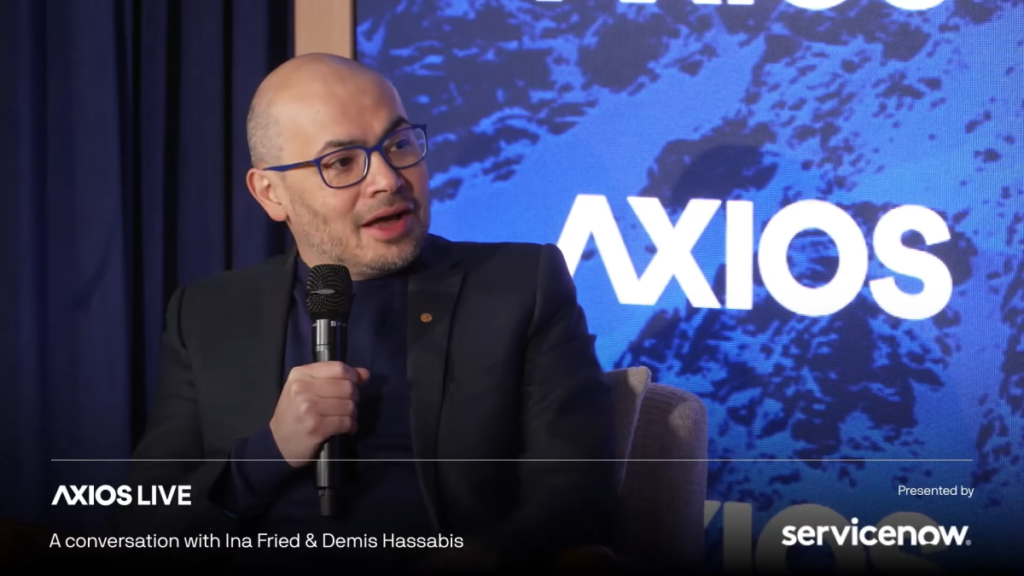
Google DeepMind CEO Demis Hassabis expressed surprise at OpenAI’s rapid move to launch advertisements in ChatGPT during an interview with Axios at Davos, warning that rushing monetization could compromise user trust in AI assistants. Hassabis emphasized that Google is approaching AI monetization with extreme caution and does not feel pressured to make “knee-jerk” decisions regarding advertising, despite Google’s historical reliance on ad revenue.
The Rising Costs Behind OpenAI’s Ad Push
The DeepMind co-founder’s comments come shortly after OpenAI announced plans to test ads as a new revenue stream. This strategy aims to monetize a portion of ChatGPT’s 800 million weekly active users who currently use the free tier. While OpenAI’s pivot toward advertising may be driven by financial necessity—especially given its skyrocketing infrastructure and massive energy costs—the decision could fundamentally alter how users interact with the platform.
“I’m a little bit surprised they’ve moved so early into that,” Hassabis remarked. He acknowledged that while there is nothing inherently wrong with advertising—noting it funded much of the modern consumer internet and can be useful when executed properly—the context of AI assistants presents unique challenges.
The Trust Dilemma: Why Chatbots Are Not Search Engines
According to Hassabis, the user experience of a conversational chatbot is fundamentally different from a traditional search engine. In Google Search, user intent is explicit, allowing the engine to display highly relevant and helpful ads. Conversely, AI chatbots are designed to act as highly personalized digital assistants that understand individual user needs.
“But in the realm of assistants, and if you think of the chatbot as an assistant that’s meant to be helpful… there is a question about how ads fit into that model,” Hassabis questioned. “You want to have trust in your assistant, so how does that work?”
Because of these unresolved questions, Hassabis reiterated some early comments indicating that Google has no immediate plans to introduce advertisements to its own AI chatbot, choosing instead to observe user reactions to industry developments.
The Risk of User Backlash in AI Interactions
The hesitation to monetize via ads is validated by recent consumer pushback. When OpenAI recently experimented with suggesting third-party applications during active user chats, the feature was met with immediate criticism. Users complained that the recommendations felt intrusive, forcing OpenAI to disable the feature—despite the company claiming the suggestions carried no financial incentives.
This backlash highlights a delicate boundary: users reject experiences that degrade the quality of their AI interactions. A similar phenomenon occurred with Amazon’s Alexa, where users strongly resisted attempts to introduce promotional suggestions, preferring a helpful utility over an aggressive sales tool.
Google’s Strategy: Prioritizing Personalization Over Ads
Instead of focusing on ad integration, Google is steering its efforts toward deep personalization. The tech giant recently rolled out new features allowing its AI Mode to access user data across Gmail and Photos to deliver highly tailored search results. Similarly, Gemini’s mobile app recently introduced a Personal Intelligence feature capable of referencing a user’s Gmail, Photos, Search, and YouTube history.
While targeted advertising remains the financial engine of the free web, Hassabis believes AI requires a more methodical deployment. “We don’t feel any immediate pressure to make knee-jerk decisions like that,” Hassabis stated, emphasizing DeepMind’s commitment to a scientific, rigorous, and thoughtful approach to both technology and product development.