Ethos Goes Public: How Profit Defeated Valuation Cuts
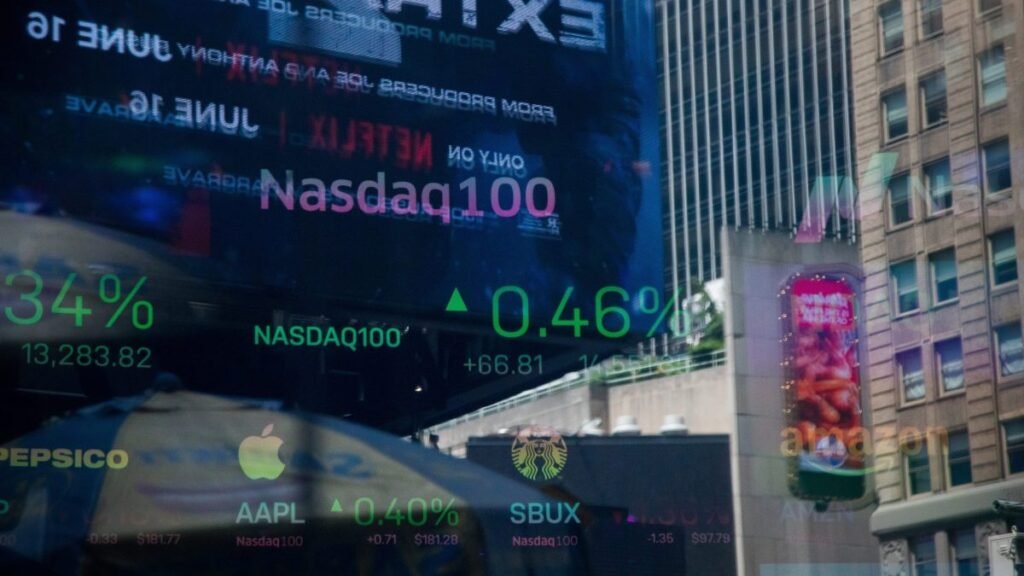
Digital insurance disruptor Ethos has officially debuted on the public stock market, achieving profitability and a $1.1 billion valuation despite taking a haircut from its peak private funding rounds. This milestone highlights the company’s strategic pivot toward sustainable growth in a challenging market environment.
Strong Financials Drive the Ethos IPO
A rigorous focus on financial discipline transformed Ethos into a profitable enterprise by mid-2023, as detailed in its recent IPO documents. Since reaching profitability, the company has sustained an impressive year-over-year revenue growth rate exceeding 50%. During the nine-month period ending September 30, 2025, Ethos generated nearly $278 million in revenue, yielding a net income of just under $46.6 million.
var playerInstance_jwplayer_6a69354098fae = jwplayer( “jwplayer_6a69354098fae” );
playerInstance_jwplayer_6a69354098fae.setup({
playlist: “https://cdn.jwplayer.com/v2/media/nsQAyeWN”,
});
The Valuation Gap: Public Reality vs. Private Hype
Despite its solid financial performance, Ethos concluded its first day of public trading with a market capitalization of approximately $1.1 billion. This figure represents a sharp decline from the $2.7 billion valuation the company secured during its last private funding round in July 2021, which was led by the SoftBank Vision Fund 2.
Building Long-Term Trust in a Legacy Industry
Addressing the decision to transition to a public entity, Ethos CEO Peter Colis emphasized that the move was primarily designed to establish “additional trust and credibility” with prospective partners and clients. Colis noted that because the traditional insurance sector is dominated by carriers with century-long histories, a public listing serves as a vital indicator of the company’s long-term stability and permanence.
Heavyweight Venture Backers Double Down
The company’s major institutional shareholders include prominent venture capital players such as Sequoia Capital, Accel, Google’s venture arm GV, SoftBank, General Catalyst, and Heroic Ventures. Demonstrating continued confidence in the insurtech’s trajectory, both Sequoia and Accel chose not to sell any of their shares during the initial public offering, as the company disclosed.