
Flipkart Expands to 1,000 Hubs to Beat Amazon in India
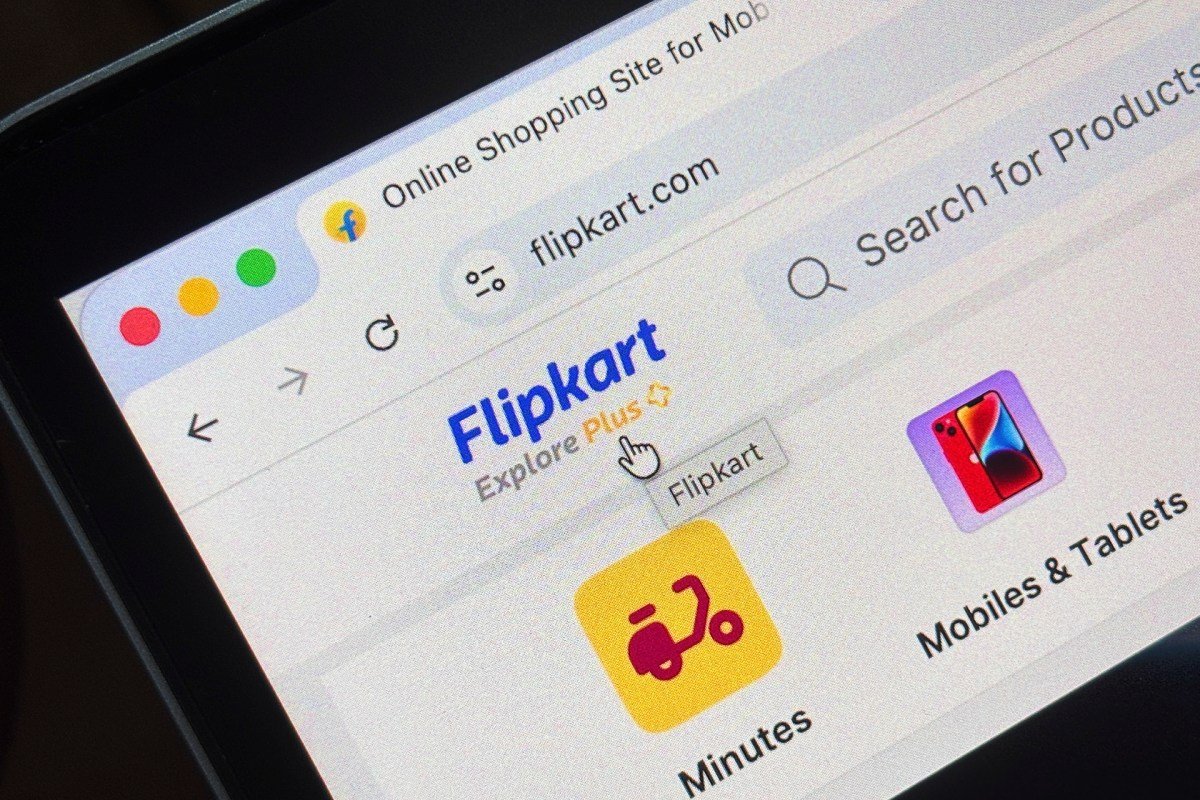
Walmart-backed Flipkart announced on Wednesday that its rapid-delivery service, Minutes, has established 1,000 micro-fulfillment centers across India to counter Amazon’s aggressive expansion in the country’s booming quick-commerce sector.
The Battle for India’s Quick-Commerce Dominance
Flipkart plans to scale its network to 1,500 micro-fulfillment centers by the end of 2026. This aggressive expansion aims to secure Flipkart’s position in India’s highly competitive quick-commerce market, where players like Blinkit, Zepto, Swiggy Instamart, and Amazon are rapidly building infrastructure to capture market share.
According to a recent analysis by Jefferies, Flipkart’s projected expansion could position it as India’s second-largest quick-commerce network by store count. Currently, Blinkit leads the market with 2,243 active micro-fulfillment centers, while rivals Zepto and Swiggy Instamart continue to scale their respective operations.
India has quickly become one of the fastest-growing quick-commerce markets globally. Companies are investing heavily to build logistics networks capable of delivering groceries, beauty products, electronics, and household essentials within minutes. While Eternal-owned Blinkit maintains the market lead, competitors are injecting significant capital to expand their geographic reach.
Amazon Ramps Up the Pressure
The competitive landscape has intensified as Amazon accelerates the deployment of its rapid-delivery service, Amazon Now. Currently operating over 500 micro-fulfillment centers across more than 15 cities, Amazon plans to scale the service to 100 cities and 1,000 centers, while broadening its inventory to include apparel, electronics, and home goods.
This shifting retail landscape is also reflected in shopping patterns on Flipkart Minutes, which debuted in August 2024. Kunal Gupta, head of Flipkart Minutes, stated that consumer demand is rapidly diversifying beyond groceries into high-margin categories like electronics, beauty, and personal care. The company reports that orders on the platform have surged approximately 400% year-over-year, alongside a 20% increase in customer retention, though these metrics have not been independently verified.
“What began as a way to fulfill everyday essentials has evolved into a fundamentally new shopping habit for millions of Indians,” Gupta said. “Customers are not just ordering more; they are ordering differently.”
var playerInstance_jwplayer_6a69108d02208 = jwplayer( “jwplayer_6a69108d02208” );
playerInstance_jwplayer_6a69108d02208.setup({
playlist: “https://cdn.jwplayer.com/v2/media/nsQAyeWN”,
});
Tapping Into Tier-2 and Tier-3 Cities
Flipkart has expanded its Minutes service to over 130 cities and 8,000 postal codes. Growth is increasingly driven by smaller, non-metropolitan urban areas, which recorded a massive 4,000% year-over-year growth following expansion into 90 new cities.
Gupta highlighted that newly launched regional markets are maturing much faster than anticipated. Cities like Patna, Guwahati, and Siliguri are seeing rapid store adoption, while Lucknow has emerged as one of the top-performing markets for Flipkart Minutes, even before achieving full city-wide network coverage.
Amazon’s Regional Strategy
Amazon is also focusing on demand outside of India’s major metropolitan hubs. The company reported that 70% of its new Prime members originate from smaller markets, putting it on track to double its Prime subscriber base by the end of the year compared to 2023 levels. Additionally, everyday essentials now account for half of all items shipped on Amazon.in, with Amazon Now driving higher purchase frequencies.
The Future of Indian E-Commerce
According to Flipkart, customers are using the Minutes platform as a complement to, rather than a replacement for, its main e-commerce site. This behavior has increased overall shopping frequency and boosted categories like fresh produce, with average order values for fruits and vegetables rising 30% year-over-year.
To sustain this momentum, Flipkart plans to open between 75 and 100 new micro-fulfillment centers per month while entering new geographic territories.
This aggressive infrastructure push by both Flipkart and Amazon highlights India’s role as a primary testing ground for the next generation of digital retail. The country currently hosts over 5,500 dark stores, a figure that analysts at Bernstein project will rise to about 7,500 by 2030 as companies expand their catalogs and geographic reach.
“We will continue to expand rapidly, will not slow down after 1,000 stores as well, and we are going all in,” Gupta said.