
Amazon Alexa+ Partners with Yelp, Expedia, and Square

On Thursday, Amazon announced a major expansion of its AI-powered digital assistant, Alexa+, integrating Angi, Expedia, Square, and Yelp starting in 2026 to allow users to book travel, services, and appointments directly through voice commands.
New Voice-Activated Services and Seamless Bookings
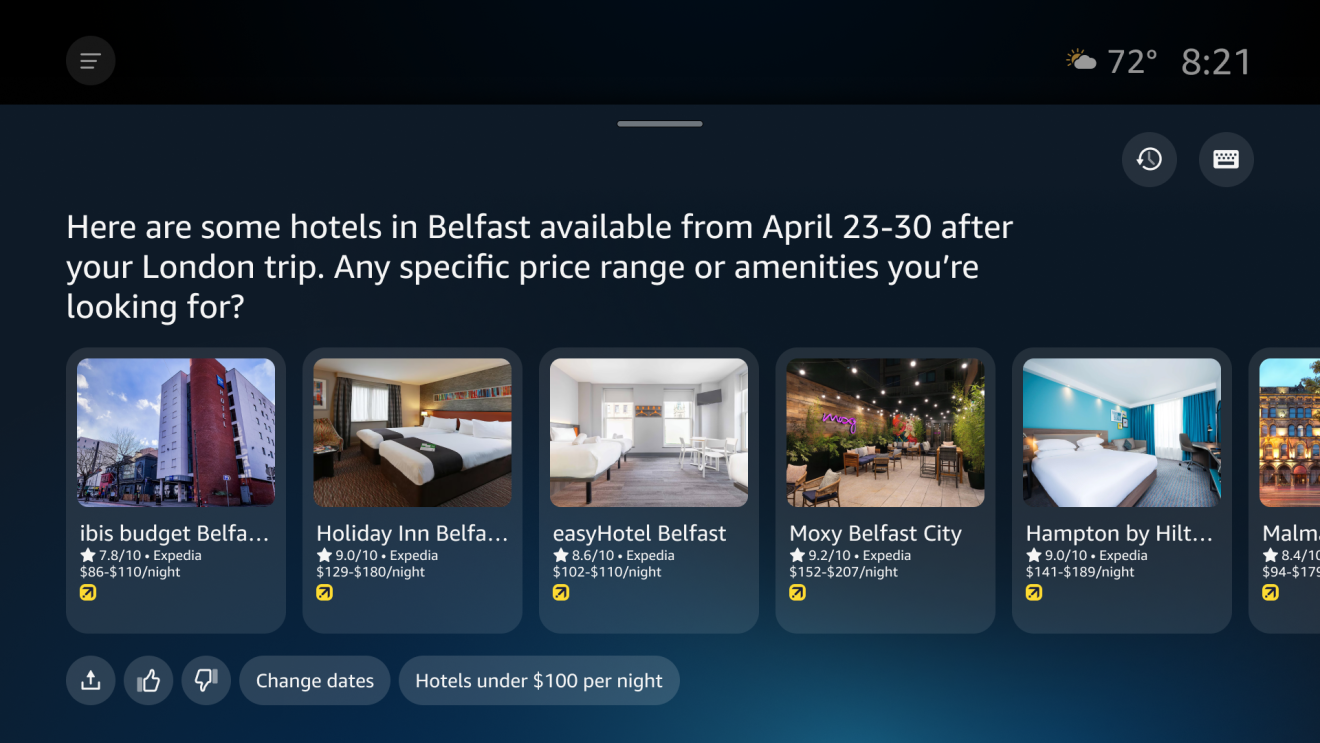
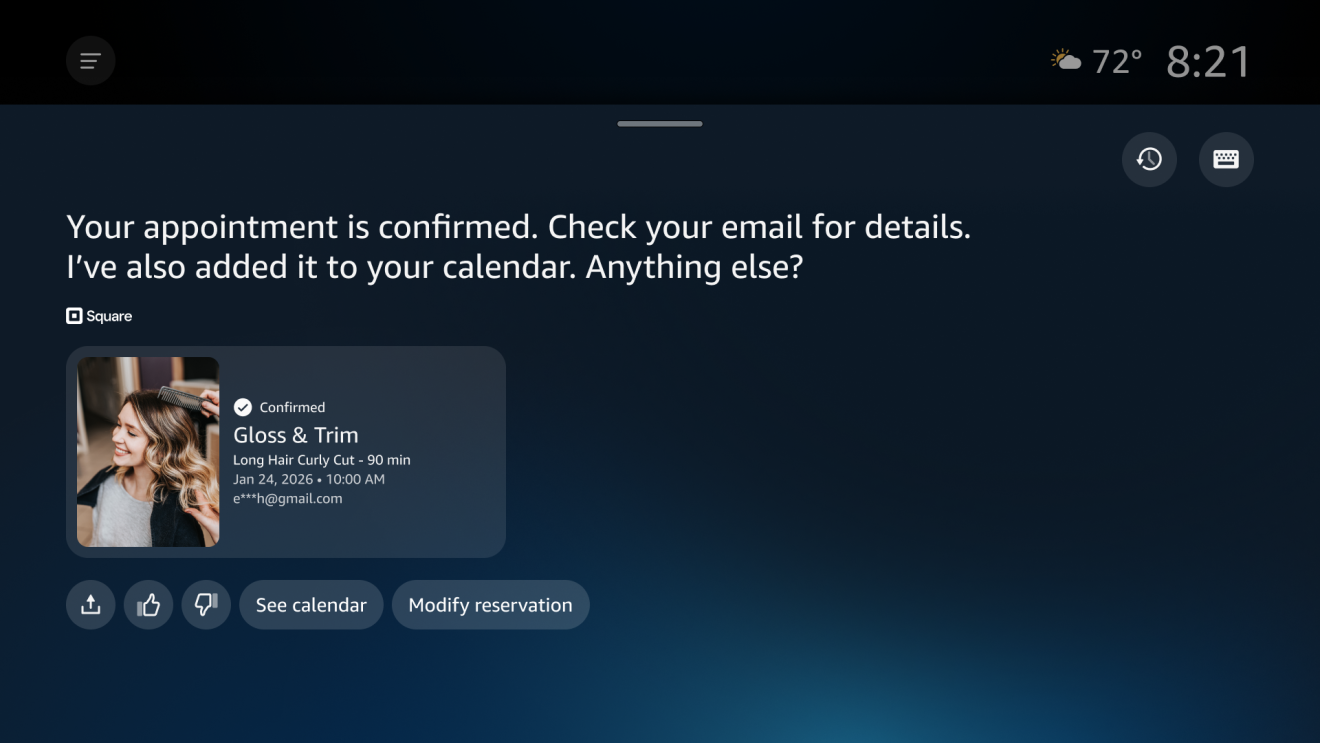
This upcoming upgrade will enable consumers to execute complex tasks such as booking hotel rooms, requesting home service quotes, and scheduling beauty salon appointments using natural language. Through the Expedia partnership, users can compare lodging options, manage existing reservations, and receive customized suggestions based on specific preferences, such as asking Alexa to find pet-friendly accommodations in Chicago for an upcoming weekend.
These four new platforms will join Alexa+’s current roster of active integrations, which already includes Fodor’s, OpenTable, Suno, Ticketmaster, Thumbtack, and Uber.
The Evolution of AI Assistants as App Ecosystems
Amazon’s strategy mirrors recent moves by OpenAI with ChatGPT, which has increasingly integrated third-party applications directly into its conversational interface. The goal is to streamline how consumers interact with web services by eliminating the need to toggle between different apps. Instead, users can simply instruct Alexa to hail a ride via Uber or secure a dinner reservation through OpenTable within a single, continuous dialogue.
This conversational interface allows for fluid, back-and-forth interactions, enabling users to refine or modify their requests mid-sentence without starting the interaction over from scratch.
Adoption Hurdles and Consumer Habits
While the technology is advancing, widespread consumer adoption remains an open question. Amazon shared that early adopters of Alexa+ have demonstrated “strong” engagement levels with existing service integrations like Thumbtack and Vagaro, indicating initial interest in localized services.
Positioning AI assistants as centralized app hubs is a growing trend across the tech industry to broaden the utility of artificial intelligence. However, this model requires a shift in consumer behavior, as most users are accustomed to navigating dedicated mobile applications or web browsers. For this transition to succeed, utilizing apps through an AI interface must prove to be simpler and more efficient than traditional methods.
To achieve this friction-free experience, AI developers must build ecosystems that rival the variety found in traditional app stores. Furthermore, these assistants must become highly adept at suggesting the right service at the correct moment without crossing the line into intrusive or ad-like recommendations, which could alienate users.