
PhonePe Kills Pincode App in Major E-Commerce Retreat
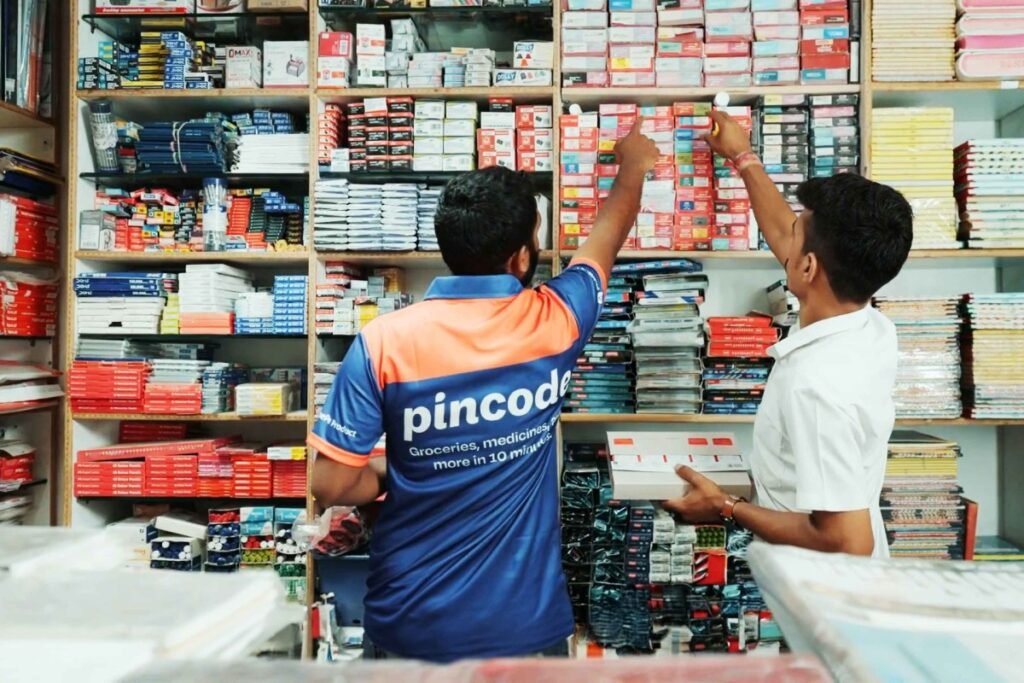
Walmart-backed fintech giant PhonePe shut down its Indian hyperlocal e-commerce app, Pincode, on Thursday to pivot toward B2B merchant services and eliminate distractions from its core business.
Why PhonePe Is Abandoning Consumer E-Commerce
PhonePe founder and group CEO Sameer Nigam stated that managing a consumer-facing quick-commerce platform diverted valuable energy away from the company’s primary mission of supporting small retailers. Instead of chasing direct-to-consumer sales, the fintech leader will focus on helping local merchants improve their operational efficiency, boost profit margins, and gain better market visibility.
The Rise and Fall of Pincode
Launched in April 2023, Pincode represented PhonePe’s ambitious entry into the e-commerce landscape. Built on the Indian government-backed Open Network for Digital Commerce (ONDC), the hyperlocal app initially connected users with neighborhood stores to purchase groceries, medicines, electronics, food, and home decor. The service debuted in Bengaluru before expanding to several other major urban hubs.
From Hyperlocal to Quick Commerce
Despite high expectations, Pincode struggled to maintain its broad catalog. Within just over a year, the platform pulled out of most categories to focus almost exclusively on food. In an attempt to salvage the venture, the app shifted to a quick-commerce model earlier this year, promising 10-minute deliveries through local kirana partners in cities like Bengaluru, New Delhi, Mumbai, Hyderabad, and Pune. This pivot also included a 10-minute medicine delivery service launched in Bangalore, Mumbai, and Pune in April.
The Dark Store Dilemma
Unlike dominant quick-commerce competitors such as Swiggy, Zomato’s Blinkit, and Zepto, which operate dedicated dark stores, Pincode relied entirely on existing local shops for fulfillment. This merchant-first delivery model failed to secure a competitive foothold in India’s crowded delivery market, ultimately driving PhonePe to wind down the consumer app.
This is not the company’s first setback in the digital retail space. In 2019, PhonePe launched “Switch,” an in-app super-app layer designed to offer users streamlined access to third-party food, grocery, shopping, and travel services.
A New B2B Chapter for Offline Retailers
Following the shutdown, PhonePe has redirected its website to its main corporate homepage. The fintech firm plans to leverage the infrastructure built under Pincode to expand its business-to-business (B2B) ecosystem. As of July, PhonePe had digitized over 1,000 local stores across Bengaluru, Pune, Delhi NCR, Hyderabad, Mumbai, and Varanasi, equipping them with digital storefronts, inventory management tools, and last-mile delivery capabilities.
var playerInstance_jwplayer_6a69363ba9937 = jwplayer( “jwplayer_6a69363ba9937” );
playerInstance_jwplayer_6a69363ba9937.setup({
playlist: “https://cdn.jwplayer.com/v2/media/nsQAyeWN”,
});
“As part of this strategic decision, we will now focus the entire Pincode team’s resources towards accelerating the build-out and scale-up of a suite of B2B business solutions for offline businesses across India,” stated Vivek Lohcheb, CEO of Pincode.
PhonePe’s existing B2B portfolio already features inventory tracking, order management systems, enterprise resource planning (ERP) software, and direct category sourcing for small businesses.
Eyeing a Mid-2026 IPO
This strategic realignment comes as PhonePe prepares for a highly anticipated initial public offering (IPO) in India, nearly three years after separating from e-commerce giant Flipkart. The company filed draft papers with the Securities and Exchange Board of India (SEBI) via the confidential pre-filing route in September, targeting a mid-2026 stock market debut. The pivot reflects PhonePe’s broader strategy to diversify its revenue streams beyond its market-leading Unified Payments Interface (UPI) transaction business.
PhonePe declined to comment on Pincode’s specific financial performance or the exact timeline of the application’s closure.