
Amazon, Meta Unite to Break Google, PhonePe UPI Duopoly
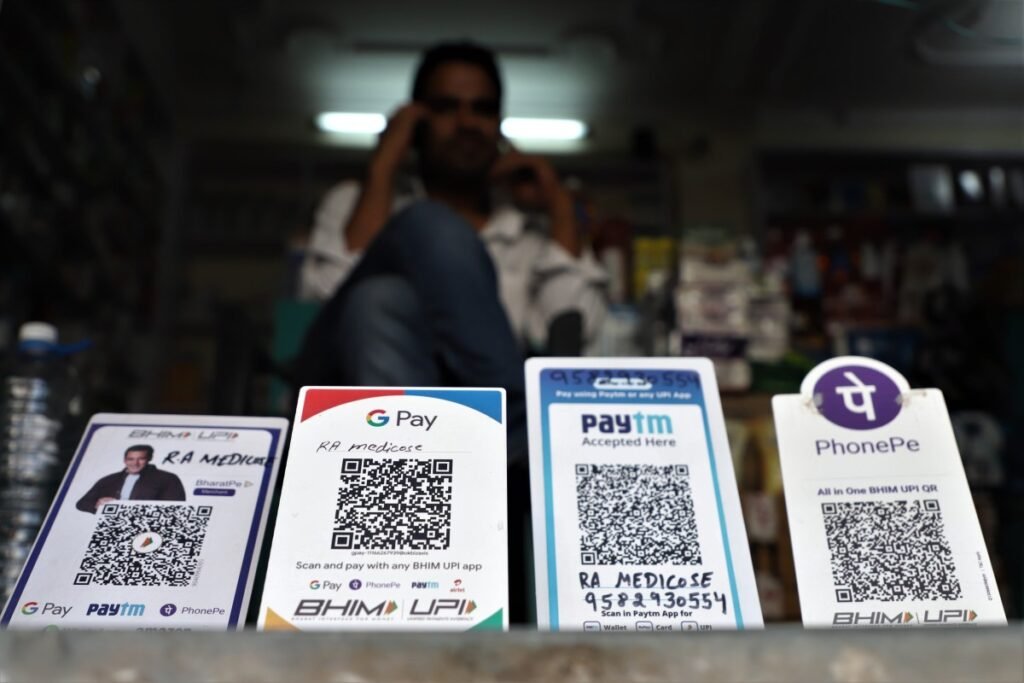
Amazon and Meta are leading a group of major tech firms meeting with India’s National Payments Corporation of India (NPCI) this Thursday to lobby against the overwhelming market dominance of Walmart-owned PhonePe and Google Pay on the country’s Unified Payments Interface (UPI) network.
The Battle for India’s Digital Payments Market
Executives representing prominent digital platforms—including Amazon Pay, WhatsApp, CRED, MobiKwik, and Flipkart’s newly launched Super.money—are convening with the NPCI to address the heavily concentrated UPI ecosystem. The NPCI is the retail payments regulator overseeing India’s highly successful instant payments infrastructure, which processes billions of financial transactions every month.
Why the UPI Market Share Cap Was Delayed
This high-stakes meeting takes place more than a year after Indian regulators deferred a highly anticipated plan to cap the market share of individual UPI applications at 30%. Originally designed to prevent monopolies, the implementation of this limit was pushed back to December 31, 2026. This regulatory delay has allowed PhonePe and Google Pay to solidify their market dominance, leaving smaller competitors struggling to find a viable path to growth.
The Massive Scale of the Duopoly
According to official NPCI data, which shows the market’s distribution, PhonePe and Google Pay collectively commanded approximately 80% of the 22.6 billion transactions processed on the UPI network in March. This massive market share places them far ahead of rivals like Paytm, CRED, Amazon Pay, MobiKwik, and Super.money.
Demonstrating this immense scale, PhonePe recently announced that it has surpassed 700 million registered users and onboarded over 50 million merchants across India. With merchant adoption spanning more than 98% of the country’s postal codes, competitors argue that matching this level of distribution has become nearly impossible under current market conditions.
Leveling the Playing Field: What the Rivals Want
According to the meeting agenda, participating companies plan to voice serious concerns regarding current user acquisition practices, product design limitations, and monetization challenges within the UPI framework. The coalition is expected to propose specific interventions, including restrictions on how dominant players onboard new users and utilize contact data. Additionally, they are calling for equitable access to critical UPI features like autopay and payment mandates, alongside regulatory incentives to foster a more competitive ecosystem.
While smaller players are actively seeking regulatory intervention to survive, the NPCI—which operates under the supervision of the Reserve Bank of India (RBI)—faces a complex dilemma. The governing body must find a way to curb market concentration and encourage competition without disrupting a critical financial service used daily by hundreds of millions of citizens.
Currently, the NPCI, Amazon, and Meta have declined to comment on the upcoming discussions. It remains to be seen whether this meeting will prompt immediate policy adjustments or if the current market dynamics will persist unchallenged.