Apple Maps Bans Home Service Ads, Challenging Google
Apple has banned home service businesses from advertising on its upcoming Apple Maps ad platform in the U.S. and Canada, according to newly published advertiser guidelines effective July 14, 2026, signaling a highly curated approach designed to rival Google’s search-heavy model.
While the iPhone maker has not yet announced an official launch date beyond a general “this summer” release window, the publication of official advertiser documentation and specific platform policies suggests the public rollout is imminent.
Under the newly published Apple Advertising Services policy, the tech giant outlines strict boundaries for its navigation app. Most notably, the company is completely blocking home service providers—including plumbers, electricians, locksmiths, HVAC technicians, pest control, roofers, and general contractors—from buying ad space.
Why Apple is Restricting Home Services on Maps
This decision marks a massive departure from Google, where Local Services Ads represent one of the search giant’s most lucrative local ad categories. Instead, Apple’s guidelines indicate that the company is limiting its initial ad inventory to brick-and-mortar destinations that consumers physically visit. Apple did not respond to requests for comment regarding the updated guidelines.
Prioritizing Organic Navigation Over Search Spam
By restricting these service categories, Apple aims to make its map-based advertisements feel like natural, organic listings rather than disruptive search ads that clutter the user interface.
Avoiding Verification Headaches and Fraud
Banning home services also shields Apple from the regulatory and operational challenges of launching a new ad network. Industries like locksmithing and garage door repair are notorious for lead-generation scams, requiring extensive background checks. While Google allows these categories, it must run rigorous initial verifications, continuous follow-ups, and strict audits to prevent fraudulent activity on its platform.
Strict Guidelines for Medical and High-Risk Sectors
Apple is carrying its strict App Store curation philosophy over to its mapping service. Alongside home services, the new advertising policy completely bans several high-risk business categories, including cryptocurrency ATMs and bail bonds agencies.
Furthermore, the tech giant is taking a highly cautious stance on healthcare. Businesses offering medical services will not have automated access to the platform; instead, their promotional requests will be manually “evaluated on a case-by-case basis.”
These rules are detailed within the newly updated “Apple Advertising Services News and Stocks, Maps, and Sports Programming Policies” document, which governs how commercial content is displayed across Apple’s native ecosystem.
The comprehensive policy also enforces sweeping bans on deceptive or profane creatives, political campaigns, weapons, depictions of violence, controlled substances, and defamatory content.
How Apple Maps Ads Will Look and Protect Privacy
While Apple could eventually open up its platform to broader categories, its initial strategy ensures that Maps remains a clean, navigation-first utility rather than a noisy digital billboard.
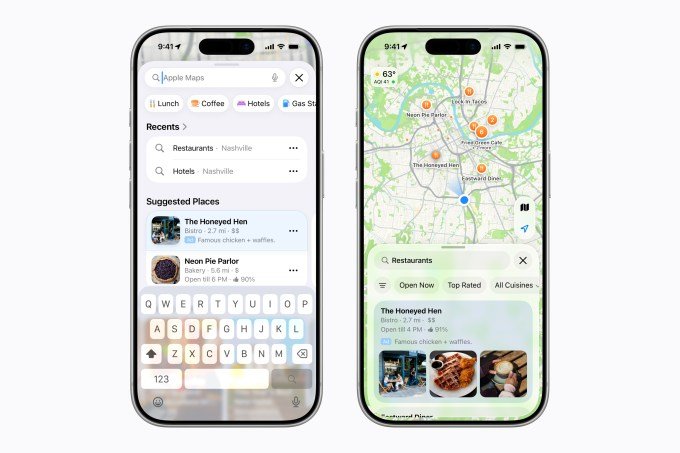
The user experience will also look very different from Google Maps. Apple plans to display only a single sponsored listing per search result. This ad will be identified by a subtle blue halo surrounding the map pin, accompanied by a clear “Ad” label within the Suggested Places list.
Privacy remains a core selling point for the iPhone maker. Apple confirmed that all user interaction data related to Maps advertisements will be processed entirely on-device, meaning no personal tracking data is harvested by Apple or shared with external third-party advertisers.
Interestingly, a separate update to the Apple Advertising Services Terms of Service hints at broader ambitions. A report by Mobile Dev Memo suggests these terms could allow Apple to serve ads on third-party, non-Apple platforms in the future. However, Apple has not officially confirmed any plans to expand its ad network beyond its native hardware ecosystem.