Cash App Debuts Controversial P2P ‘Pay Later’ Feature
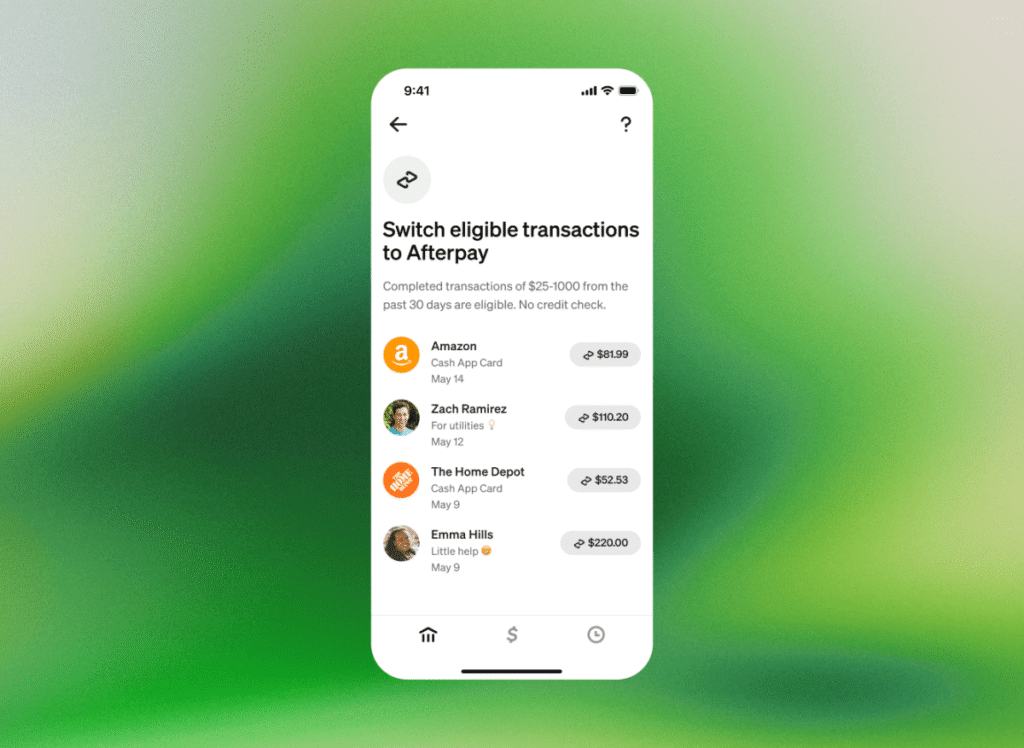
Cash App, the popular peer-to-peer financial platform owned by Jack Dorsey’s Block, has officially rolled out a new deferred payment feature that allows eligible U.S. users to finance their everyday P2P transfers over time to better manage fluctuating cash flows.
The Rise of Micro-Financing Daily Expenses
The launch comes as financial technology firms increasingly push deferred payment options into everyday consumer transactions. Approximately one year ago, DoorDash partnered with Klarna to let customers micro-finance their food deliveries—a move that sparked a wave of viral online commentary regarding “burrito debt” and late capitalism. Cash App’s latest feature directly expands on this macroeconomic trend, bringing flexible short-term financing straight into peer-to-peer transactions.
How Cash App’s P2P Deferred Payment Works
To utilize this new payment option, eligible users are charged a flat 7.5% fee. Under this structure, borrowing $100 through the app results in a total repayment of $107.50. According to the company, the feature is available for transfers of $25 or more. Users can choose to repay the balance in weekly installments over a period of up to six weeks, or clear the balance in a single payment on the designated due date.
Dynamic Borrowing Limits Based on Risk
Rather than utilizing rigid credit limits, Cash App has implemented a dynamic system where borrowing caps vary by user. A company spokesperson confirmed that the specific amount available for conversion depends entirely on the original transaction size and an individual customer assessment. The spokesperson added that each transaction is evaluated for eligibility based on responsible lending criteria rather than traditional credit scoring mechanisms.
Catering to the Gig Economy and Variable Incomes
In a recent interview, Owen Jennings, Block’s Executive Officer and Head of Business, framed the new tool as a practical utility for modern cash flow management. Jennings pointed out that a growing portion of the American workforce operates without the predictable pay schedules of previous generations.
“We’re seeing more folks — particularly younger folks — who are solo-preneurs, entrepreneurs… [and] gig workers. They have side hustles, they’re working multiple jobs, [and] so they have variable income streams,” Jennings explained. He contrasted this modern reality with the job market of 40 or 50 years ago, when the average U.S. worker typically relied on a steady, bi-weekly W2 paycheck.
The Risks and Protections of ‘Buy Now, Pay Later’
While “Buy Now, Pay Later” (BNPL) services have experienced explosive growth, they have also drawn intense scrutiny from consumer advocates. Critics argue that these products can easily trap vulnerable consumers in compounding cycles of debt, while some economists view the necessity of financing basic household expenses as a worrying sign of broader economic crisis. Furthermore, BNPL providers face mounting legal hurdles; recently, Klarna was sued in a class-action lawsuit accusing the fintech giant of predatory practices.
Preventing the “Debt Spiral”
Addressing these concerns, Jennings emphasized that Cash App has integrated strict safeguards to prevent users from falling into financial distress. He noted that all of the platform’s lending products are strictly non-revolving, meaning that if a user fails to repay an outstanding loan, they are barred from borrowing any additional funds.
This new P2P payment option complements Cash App’s existing suite of short-term credit features. The platform previously introduced Borrow, which allows users to secure small, short-term loans repaid over four to six weeks. Additionally, the company offers Afterpay integration for the Cash App Card debit program, enabling deferred payments on standard card purchases.