
CD Sales Surge as Retro Tech Gains Popularity Again
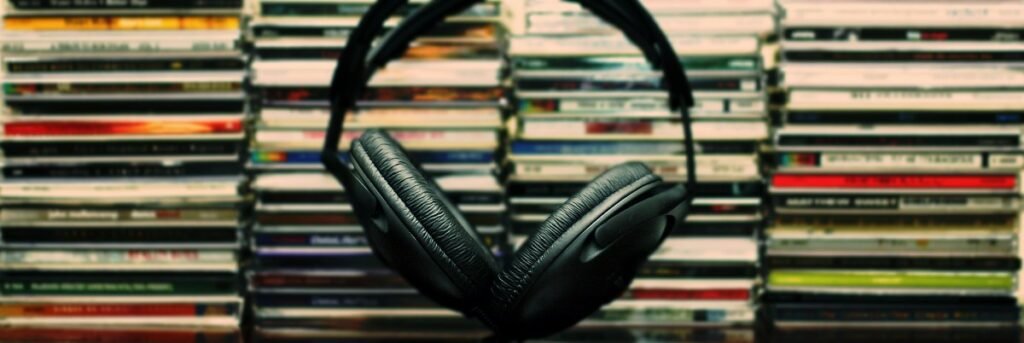
The resurgence of retro technology is evident, with the Recording Industry Association of America (RIAA) revealing hard data this week that highlights a surprising trend in music consumption: CDs, the once-dominant format overshadowed by streaming services like Spotify, are witnessing a remarkable revival.
As outlined in the RIAA’s latest report, CD sales generated an impressive $171.1 million in revenue during the first half of 2026, marking a staggering increase of 58.6% from approximately $107.9 million in the same timeframe of 2025. This growth came alongside a rise in sales volume, with 17.5 million units sold, reflecting a 45.7% increase from the prior year’s 12 million units.
This rebound is particularly intriguing considering the challenging year for CDs in 2025, where the full-year report indicated a 7.8% decline in revenue, dropping from $338.9 million in 2024 to $312.4 million in 2025. Additionally, the number of units sold fell by 11.6%, from 33.3 million to 29.5 million.
This increase in CD sales coincides with a growing trend towards simpler technology, including devices like basic phones, digital cameras, typewriters, landlines, and physical media such as CDs and vinyl. For Generation Z, this interest in retro devices signifies a longing for a tech era they did not experience—an era where individuals had greater control over their technology interactions, free from the incessant notifications, addictive applications, and algorithm-driven distractions that dominate today’s digital landscape.
Several startups are emerging in this retro tech space, including landline manufacturers like Tin Can, Ooma, and Pinwheel. Additionally, companies producing non-smartphones, such as Light, Dumb Co, Minimal, and the upcoming BlackBerry-like Clicks, are also gaining traction. Meanwhile, Gen Z consumers are actively purchasing vintage gadgets from thrift stores or on platforms specializing in retro technology like eBay and Retrospekt.
It is important to note that the RIAA’s figures may not capture the full scope of this trend, as they do not include sales of used CDs purchased from thrift stores or garage sales. Additionally, many CDs may have been handed down from Gen X parents to their children, further complicating the measurement of this resurgence.
However, there is a caveat to this trend that must be acknowledged.
In 2025, the RIAA altered its method of calculating revenue, shifting from estimated retail values to wholesale values. Consequently, the revenue figures for 2024 and 2025 are not directly comparable. Nevertheless, unit sales—which are unaffected by this change—paint a consistent picture: 29.5 million CDs sold in 2025, down from 33.3 million in 2024, indicating that CDs were already experiencing a decline prior to this year’s unexpected resurgence.
Vinyl sales are also on the rise. In fact, total revenue from physical media in the first half of 2026 soared by 25.9% to $731.5 million, driven not only by the remarkable 58.6% increase in CD revenue but also by a 17.7% growth in vinyl sales.