
India Forces Delivery Apps to Drop 10-Minute Promise
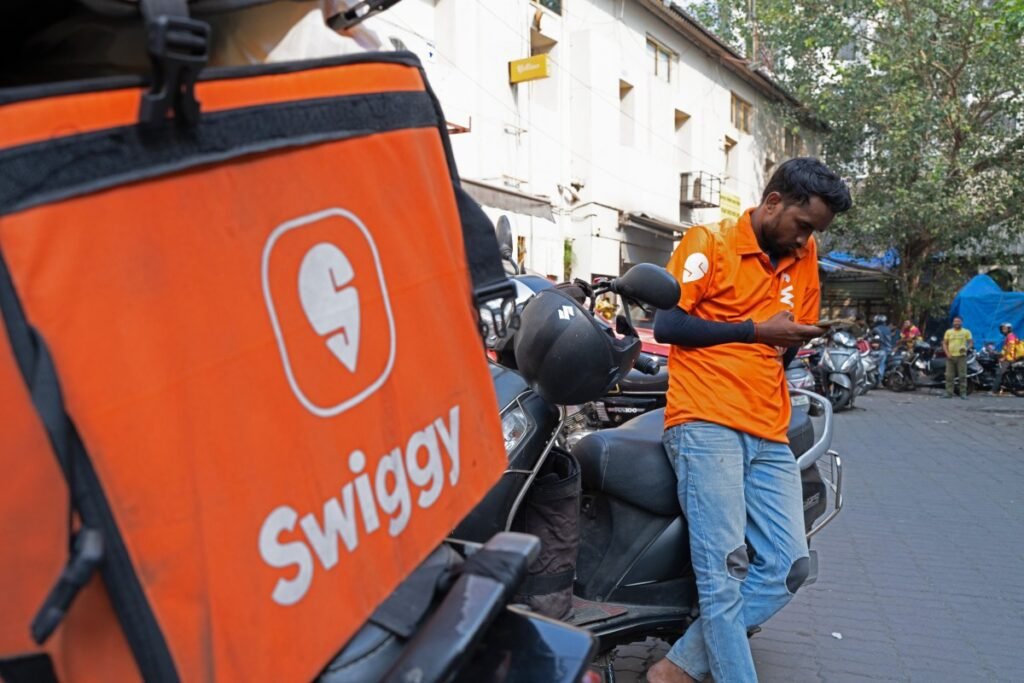
In a major regulatory push, India’s labor ministry has pressured leading quick-commerce platforms Blinkit, Instamart, and Zepto to abandon their 10-minute delivery promises to safeguard the health and safety of millions of gig workers nationwide.
Government Steps In to Protect Gig Workers
The country’s Minister of Labor and Employment, Mansukh Mandaviya, recently convened a meeting with top executives from Zomato’s Blinkit, Swiggy’s Instamart, and Zepto. During the discussions, Mandaviya urged the companies to phase out marketing campaigns centered around ultra-fast 10-minute delivery guarantees, focusing instead on improving working conditions and road safety for their delivery fleets, Bloomberg reported, citing sources familiar with the matter.
Why the 10-Minute Delivery Model Exploded in India
While the instant-delivery business model has struggled or collapsed in many Western markets, it has experienced unprecedented growth in India. Urban consumers have rapidly grown accustomed to receiving everything from fresh groceries to high-end electronics, like the PlayStation 5, at their doorsteps in under 15 minutes.
To sustain this hyper-growth, players like Zepto, Blinkit, and Instamart have raised and deployed hundreds of millions of dollars. This capital has funded the establishment of “dark stores”—highly optimized, strategically positioned neighborhood warehouses that act as localized distribution hubs. Consequently, these firms have recruited massive fleets of gig couriers to maintain a competitive edge in India’s aggressive e-commerce landscape.
The Rising Human Cost of Ultra-Fast Logistics
As the sector expands, the pressure on delivery personnel has reached a boiling point. On New Year’s Eve, more than 200,000 gig workers organized coordinated protests across major Indian cities during peak delivery hours, according to the South China Morning Post, citing data from the Indian Federation of App Based Transport Workers.
Mass Protests and Safety Concerns
The protesting couriers demanded formal legislative protections, robust social security benefits, fairer wages, and the elimination of automated penalty algorithms that dock worker ratings for late deliveries. Severe safety concerns have also mounted, with delivery riders frequently forced to navigate hazardous traffic conditions to meet rigid deadlines.
“Ultra-fast delivery models of 10-15 minutes materially change the risk and stress profile of gig work,” Prabir Jha, founder and CEO of the HR consultancy Prabir Jha People Advisory, told the publication.
Quick-Commerce Giants Begin to Pivot
Faced with growing government scrutiny and widespread worker unrest, Blinkit has already started removing references to 10-minute deliveries from its user interface, with its primary competitors expected to implement similar changes soon, Bloomberg reported.
New Legal Protections for India’s Gig Economy
This regulatory intervention follows the recent enactment of landmark labor laws in India, which officially granted legal status to millions of platform workers. Under the new statutory framework, digital aggregators—including food delivery and ride-hailing platforms—are legally mandated to contribute 1% to 2% of their annual revenue to a state-managed social security fund, with the contribution capped at 5% of the total payments made to the workers.
According to data from the government think tank NITI Aayog, India’s gig economy employed approximately 7.7 million workers during the 2020-21 fiscal year. That figure is projected to surge to 23.5 million workers by 2029-30.
Swiggy, Blinkit, and Zepto did not immediately respond to requests for comment regarding the policy discussions.