
Uzum Valuation Soars 50% to $2.3B in Just 7 Months
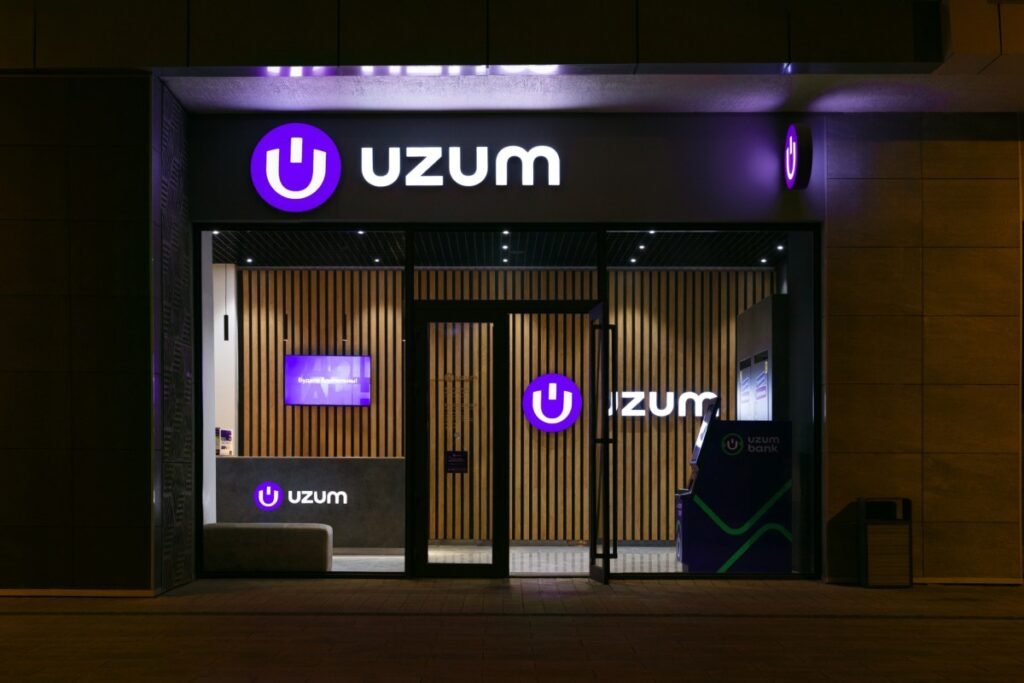
Uzbekistan’s leading digital ecosystem Uzum has secured a $2.3 billion valuation after raising $131.5 million from global sovereign and venture funds, capitalizing on Central Asia’s rapidly expanding digital economy.
The latest funding round was led by sovereign wealth funds from Oman, with continued participation from existing backers including Tencent, VR Capital, and FinSight Ventures. This fresh capital injection consists of $81.5 million in equity and $50 million in convertible debt, which will convert during Uzum’s next funding round. The startup is currently positioning itself for a pre-IPO raise of $250 million to $300 million, targeted for the second half of 2026 or early 2027.
The Rise of Central Asia’s First Unicorn
Uzum’s valuation has surged by roughly 53% since August, when the company raised $65.5 million at a $1.5 billion valuation. The startup initially made history in March 2024 by becoming Uzbekistan’s very first tech unicorn.
This rapid growth is fueled by macroeconomic tailwinds in Uzbekistan. As Central Asia’s most populous nation, the country is rapidly emerging as one of the region’s fastest-growing digital economies. A young demographic, rising smartphone penetration, and historically low adoption rates for online banking and retail services have created a highly lucrative environment for digital disruption.
Building Uzbekistan’s Ultimate Super-App
Founded in 2022, Uzum has consolidated its position as the dominant digital player in the country by integrating e-commerce, financial services, and consumer lending into a single cohesive ecosystem.
The ecosystem began with its flagship marketplace, Uzum Market, before expanding into digital banking via Uzum Bank and consumer finance through Uzum Nasiya. Additionally, the company operates Uzum Tezkor, an express food and grocery delivery service, ensuring comprehensive coverage of daily consumer needs.
The platform’s user base has grown from 17 million monthly active users in August 2025 to over 20 million today, capturing more than half of Uzbekistan’s adult population. The marketplace currently hosts over 17,000 domestic merchants, and the wider ecosystem processed approximately $11 billion in transaction volume throughout 2025. Annual transacting users also saw a major boost, climbing to 4.6 million in 2025 from 3 million the previous year.

Chief executive Djasur Djumaev highlights that Uzbekistan’s retail modernization is taking a unique path compared to Western or Asian counterparts, with digital commerce acting as the primary catalyst.
“Previously, we’ve mentioned that e-commerce is something that’s going to transform into retail,” Djumaev explained. “It will leapfrog the traditional retail phase in the country, moving from bazaars and informal trade directly into digital commerce.”
Fintech Infrastructure Powers Strong Profitability
This operational expansion has translated directly into strong financial performance. Uzum reported $691 million in revenue for 2025, up from $505 million the previous year, while net income climbed from $150 million to $176 million. Notably, its marketplace vertical generated $500 million in gross merchandise value (GMV) and achieved EBITDA profitability within just three years of launch.
According to Nikolay Seleznev, Uzum’s chief strategy and business development officer, the company’s fintech operations continue to serve as the primary engine of profitability across the ecosystem.
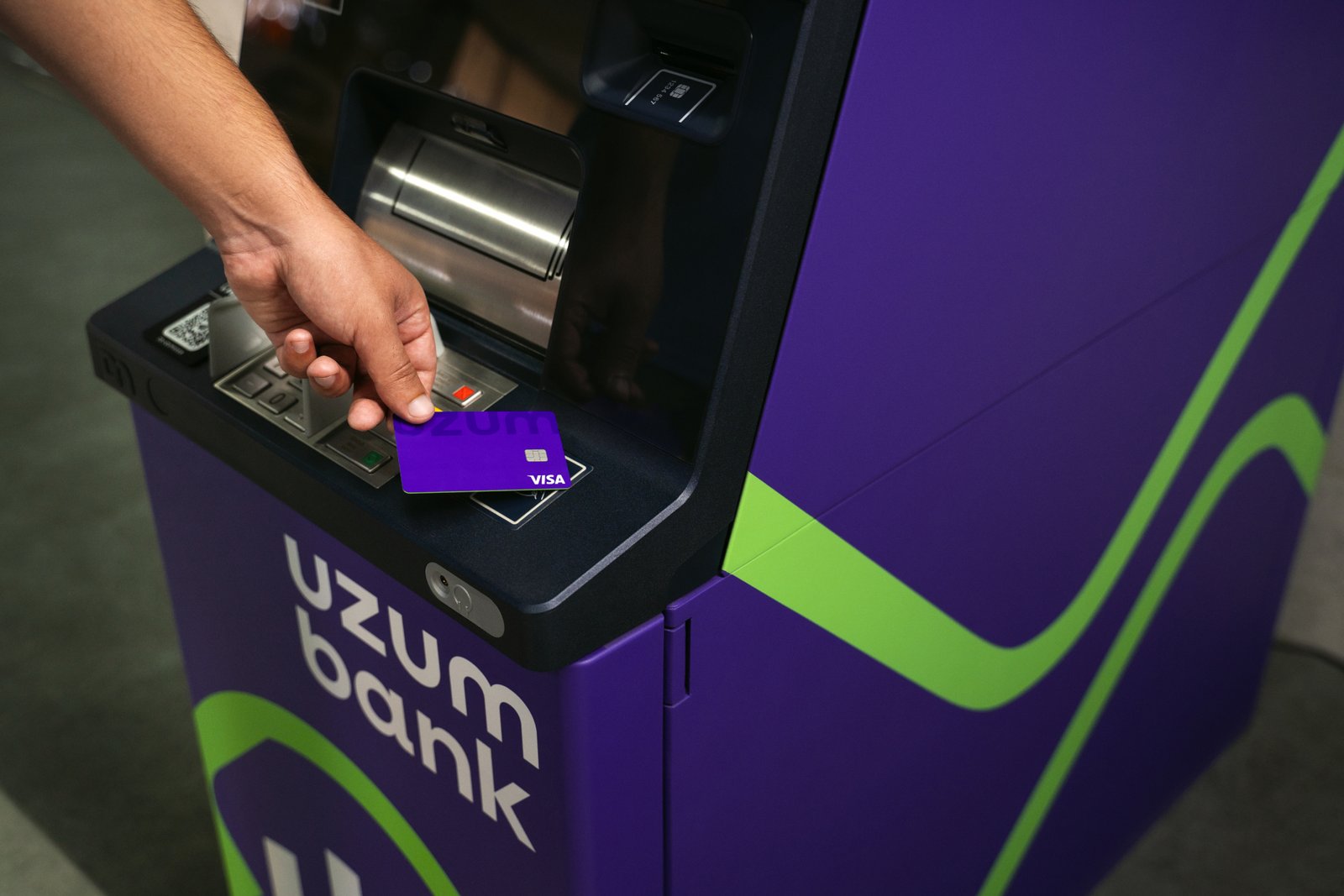
Uzum Bank now serves approximately 5 million clients and issued 4.1 million debit cards in 2025 alone, representing half of all debit cards issued nationwide that year. The platform’s unsecured loan book has expanded to $400 million, while total finance volume—representing all credit disbursed via its platforms—reached $1.2 billion in 2025. The company expects to onboard an additional 5 million banking customers over the next twelve months as it scales its credit and payment offerings.
Scaling Cross-Border Trade and Logistics
To diversify its retail business, Uzum has introduced cross-border e-commerce, enabling Uzbek consumers to purchase goods directly from international merchants. This initiative has added nearly 200 million stock-keeping units (SKUs) from major global markets, including China and Turkey, complementing the 1.5 million local products already available on the platform for next-day delivery.
To support this massive inventory influx, Uzum is investing heavily in physical infrastructure. The startup currently operates 1,500 pickup locations across the country, with plans to double this network to 3,000 points by 2026. Warehouse capacity is also set for an upgrade, expanding from 125,000 square meters to 500,000 square meters across four new logistics hubs currently under construction.
Seleznev emphasized that building proprietary logistics is a necessity in Uzbekistan, where third-party fulfillment services remain undeveloped.
“You need to invest in infrastructure yourself to deliver and shift customer expectations,” Seleznev remarked.
Strategic Roadmap and Global IPO Aspirations
The newly acquired funding will be directed toward scaling Uzum’s fintech infrastructure, including expanding its network of ATMs, payment terminals, and point-of-sale systems to build a fully integrated digital banking experience.
Looking ahead, Uzum is targeting a public listing within the next three years, though the exact timeline is still being finalized. The company is evaluating potential listing venues across several major global markets, including the United States, Europe, the Middle East, and Southeast Asia.
Uzum currently employs a workforce of approximately 12,500 people as it continues to scale its e-commerce, financial services, and logistics networks across the region.