
FirstClub Hits $120M Valuation by Rejecting Fast Delivery
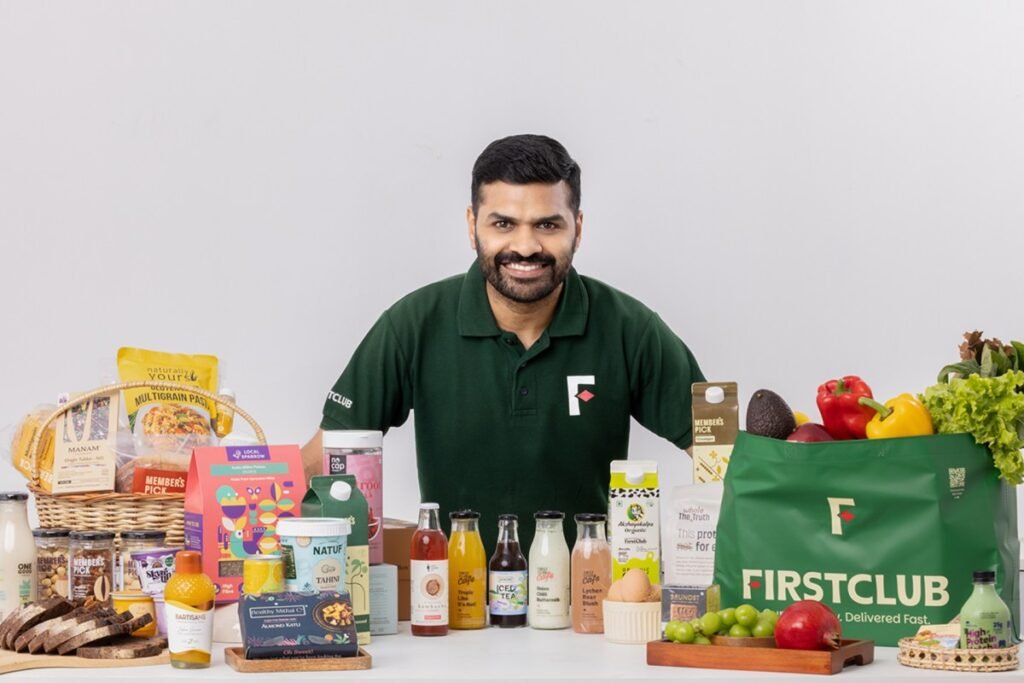
Bengaluru-based e-commerce startup FirstClub has officially tripled its valuation to $120 million after securing a $23 million Series A funding round this month, defying India’s hyper-fast delivery craze by focusing on premium, curated products instead of speed.
The fresh capital injection, consisting of over 90% equity and the remainder in debt, was co-led by returning venture capital firms Accel and RTP Global. Additional participation came from Blume Founders Fund, 2am VC, Paramark Ventures, and Aditya Birla Ventures. This impressive financial milestone comes just eight months after the company secured an $8 million seed round at a $40 million valuation in December, highlighting rapid investor confidence in the brand’s alternative retail thesis.
The E-Commerce Landscape in India
India represents the world’s second-largest online shopper base. The country’s e-commerce sector has surged to approximately $60 billion in gross merchandise value (GMV) and is projected to expand at an 18% annual growth rate, reaching between $170 billion and $190 billion by 2030, according to a recent report by Bain & Company. By the end of this decade, experts estimate that nearly one out of every ten retail dollars spent in India will flow through online channels.
Recently, the domestic market has pivoted dramatically from traditional e-commerce models—where shipping times averaged two to three days—toward ultra-fast fulfillment. This quick-commerce trend, which promises deliveries in under ten minutes, has forced legacy giants like Amazon and Walmart-backed Flipkart to launch their own rapid-delivery services to remain competitive.
Quality Over Speed: FirstClub’s Premium Play
While competitors race against the clock, FirstClub is targeting an underserved market gap. Instead of optimizing for speed, the startup is prioritizing product quality and catering exclusively to the top 10% of Indian households, representing a market of roughly 20 million affluent families.
Launched in June, the platform currently operates in select neighborhoods of Bengaluru. It fulfills orders through four specialized dark stores, which the company refers to as “clubhouses.” These hyper-local fulfillment centers stock more than 4,000 highly curated stock-keeping units (SKUs) spanning packaged foods, fresh produce, dairy, bakery items, and health nutrition.
“Based on the last three months’ data, it’s quite clear that consumers are happy to wait if they are getting a very differentiated selection, a good quality of products, a differentiated service, and a very hand-holding sort of an experience,” explained Ayyappan R, founder and CEO of FirstClub, in a recent interview.
This focus on curation is already yielding strong unit economics. FirstClub boasts an average order value of ₹1,050 (about $12), which is double the average basket size of leading quick-commerce grocery platforms. Additionally, the startup has achieved a 60% customer repeat purchase rate within its initial operating window.
Veteran Leadership and Rigorous Quality Control
The rapid execution of FirstClub’s business model is backed by its founder’s extensive e-commerce pedigree. Before launching the startup in December, Ayyappan spent over a decade at Flipkart, India’s premier domestic e-commerce giant, where he managed key operations at subsidiaries Myntra and Cleartrip. His professional background also includes strategic roles at the Indian consumer goods conglomerate ITC, where he focused on expanding grocery distribution networks.
“In a span of six months, we have been able to build an end-to-end tech platform,” Ayyappan noted, highlighting how his previous retail experience accelerated the development of FirstClub’s proprietary supply chain and exclusive brand partnerships.
Currently, 60% of the products featured on the platform are exclusive to FirstClub. “We are not indexing on the delivery speed, but we are saying that the products you get here, you would not find elsewhere, whether it is offline or online,” Ayyappan added.
To maintain strict quality standards, the company utilizes an independent, third-party consumer panel to conduct blind taste tests on prospective inventory. For instance, when sourcing paneer (a popular Indian cottage cheese), the panel evaluates 20 different brands blindly, and only the top three performing products are approved for sale on the platform. Furthermore, the startup has banned over 200 potentially harmful food ingredients from its entire supply chain.
Strategic Expansion and Future Growth
While FirstClub launched with a focus on premium groceries, the company plans to expand into new verticals. Upcoming product categories will include specialized children’s food, pet food, and nutraceuticals. Additionally, the startup will debut freshly prepared food options via an in-app cafe concept within the next 30 days, avoiding preheated items in favor of made-to-order meals.
Within the next six months, the catalog will also expand to include home and general merchandise, such as home decor, household essentials, home care, furnishings, and kitchen utensils.
Demographic data reveals that women make up 70% of FirstClub’s customer base, guiding the brand’s curation strategy. The platform primarily targets households with an annual income of ₹1.5 million (approximately $17,000). To maintain its premium positioning and ensure efficient delivery logistics, the app enforces a minimum checkout threshold of ₹199 (around $2.40).
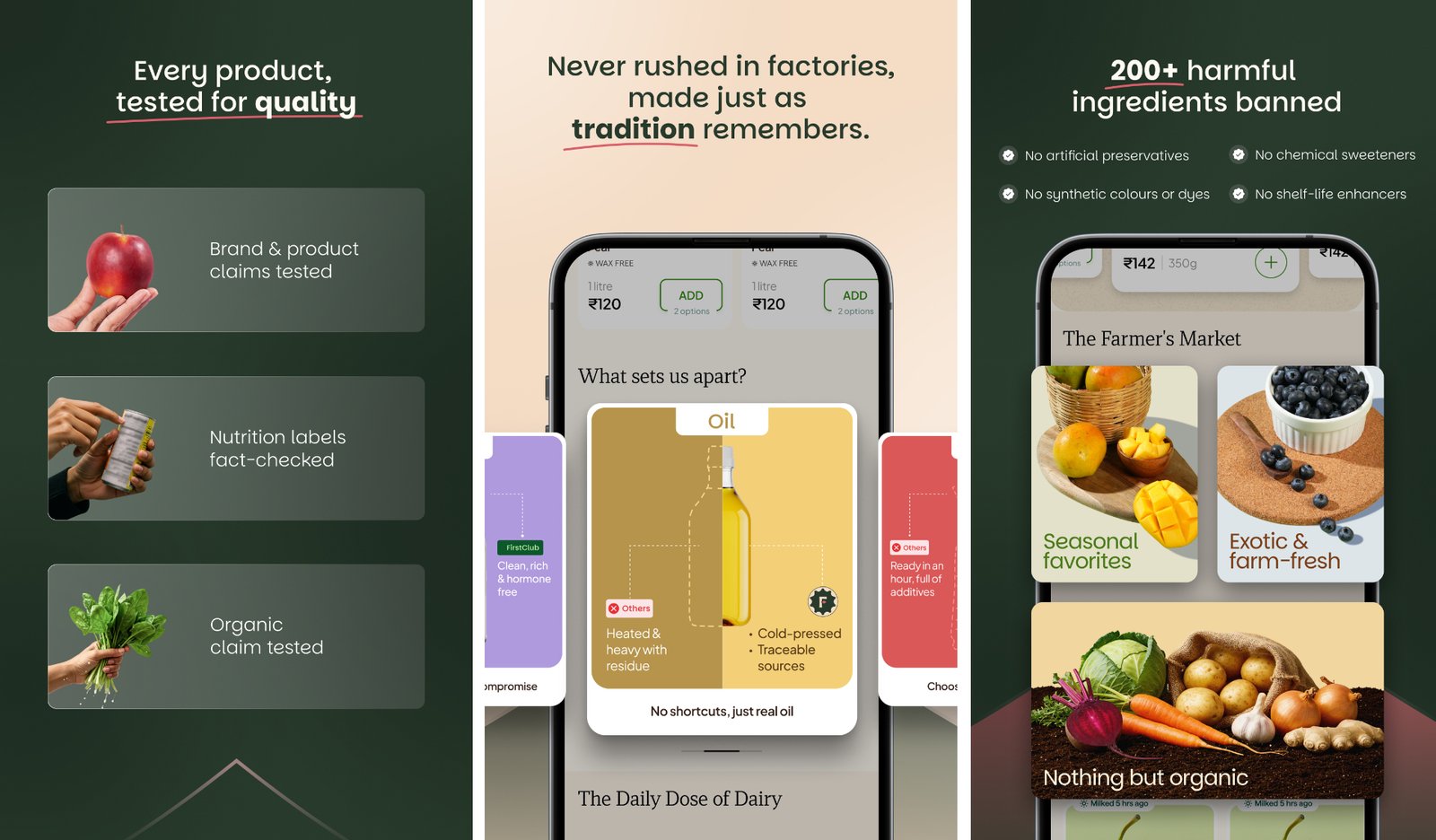
Unlike typical quick-commerce apps designed for quick search-and-purchase actions, FirstClub’s user interface is optimized for browsing. This design encourages discovery, increases session times, and provides the company with deeper behavioral insights to refine its product curation.
“Everybody’s like, ‘I’ll offer a large selection and let the consumer choose what they want,’ versus the platform taking ownership — saying every single product it sells has to be top-notch quality,” Ayyappan emphasized.
The ultimate vision is to replicate the curated, high-trust retail experiences of North American brands like Costco, Whole Foods, Trader Joe’s, and TJ Maxx. FirstClub plans to adopt an omnichannel approach, offering scheduled deliveries, subscription models, and physical retail touchpoints in the future.
The newly acquired Series A funding will support the expansion of FirstClub’s “clubhouses” from four to 35 locations, covering the majority of Bengaluru before the company enters new geographic markets. The startup may also open these clubhouses to public tours to showcase its hygiene and quality control standards. FirstClub currently operates with a team of 185 employees, including 75 dedicated operational staff members.