
Paytm Secures Key RBI License After Chinese Investor Exit
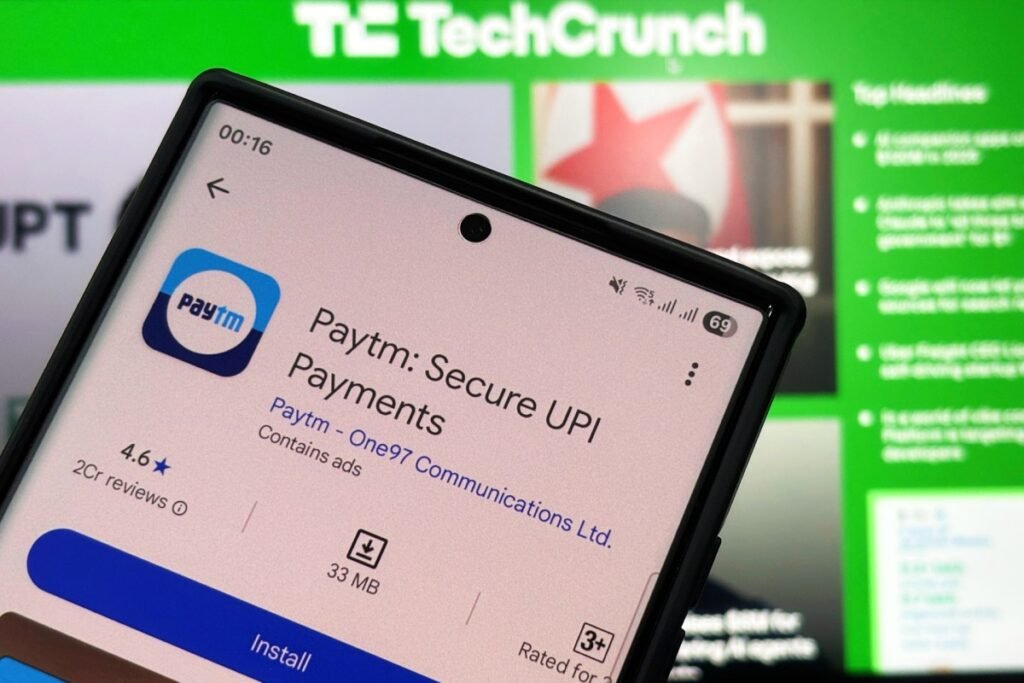
On Tuesday, Indian fintech giant Paytm secured crucial “in-principle” approval from the Reserve Bank of India (RBI) to operate as an online payment aggregator, marking a massive regulatory victory just days after its major Chinese investor, Ant Group, completely exited the company.
A Long-Awaited Regulatory Breakthrough
The decision by India’s central bank allows Paytm’s Payment Services unit to finally operate as an online payment aggregator, according to a recent regulatory filing submitted by parent company One97 Communications to Indian stock exchanges. This official greenlight comes after a grueling two-year delay. The Noida-based fintech firm was initially denied the license in November 2022 because of noncompliance issues regarding foreign direct investments originating from nations sharing a land border with India.
Overcoming Operational Roadblocks
The prolonged absence of this license severely restricted Paytm, preventing the platform from onboarding new online merchants. While executives initially claimed the restriction had no material impact on overall revenues, One97 Communications founder and CEO Vijay Shekhar Sharma later made it clear at the company’s annual general meeting last September that reapplying for the payment aggregator license was a top priority.
This regulatory milestone also follows a turbulent period during which the RBI banned Paytm Payments Bank from accepting fresh deposits and processing credit transactions. To mitigate the fallout, Paytm swiftly pivoted, establishing strategic partnerships with major financial institutions—including Axis Bank, HDFC Bank, State Bank of India, and Yes Bank—to handle backend payment system provider operations for its online transactions and autopay mandates.
Unlocking New Merchant Capabilities
With this newly acquired authorization, Paytm is fully empowered to act as a direct service provider for online merchants. Businesses partnering with the platform can now seamlessly accept credit and debit cards, net banking, and India’s Unified Payments Interface (UPI). Crucially, the approval effectively terminates the strict merchant onboarding bans imposed by the central bank back in 2022.
The Chinese Investment Factor and Compliance Mandates
The timing of the RBI’s approval is highly notable, occurring just one week after China’s Ant Group completely exited Paytm. The Chinese firm divested its remaining 5.8% direct stake in One97 Communications for $454 million via block deals. This followed a previous transaction in 2023, where Ant Financial transferred a 10.3% stake valued at $628 million to CEO Vijay Shekhar Sharma in a cashless deal, effectively reducing Chinese ownership in the Indian fintech.
However, the RBI’s approval comes with strict conditions. Paytm must complete a comprehensive system audit, including a thorough cybersecurity assessment, and present the findings to the central bank within six months. Failure to meet this deadline will result in the expiration of the license. Additionally, the current approval is strictly limited to online payment services.
var playerInstance_jwplayer_6a694cde50f11 = jwplayer( “jwplayer_6a694cde50f11” );
playerInstance_jwplayer_6a694cde50f11.setup({
playlist: “https://cdn.jwplayer.com/v2/media/nsQAyeWN”,
});
Fintech investor Osborne Saldanha noted that this development allows Paytm to reclaim control over the majority of its value chain—ranging from its physical offline soundboxes to its digital payment gateways—thereby reducing its operational dependency on third-party banking partners.
Market Position and Financial Recovery
Currently, Paytm ranks as the third most-used UPI platform in India, trailing behind Walmart’s PhonePe and Google Pay. According to data from the National Payments Corporation of India (NPCI), Paytm captured 6.9% of the 18.4 billion UPI transactions recorded in June, representing 5.6% of the total transaction value. In total, the platform processed 1.27 billion UPI transactions, valued at approximately ₹1.34 trillion ($15 billion).
While PhonePe and Google Pay dominate over 82% of the UPI market share, Paytm maintains a competitive edge by offering a diversified ecosystem. This includes offline merchant point-of-sale solutions, integrated hardware and software services, and a rapidly expanding credit and consumer lending business.
Financially, Paytm is showing strong signs of recovery. The company reported a net income of ₹1.23 billion (around $14 million) for the first quarter of fiscal year 2026 ending in June. This represents a significant turnaround from the losses recorded during the same timeframe last year, beating analyst predictions of a ₹1.27 billion ($14.5 million) loss. Quarterly revenue rose by 28% year-over-year to $224 million, while contribution margins climbed to 60%, up from 50% the previous year.
Reflecting this operational turnaround, Paytm’s shares have surged by 13.25% year-to-date in 2025, demonstrating renewed investor confidence. The stock closed at ₹1,118.50 (approximately $13) on Wednesday, just prior to the official public announcement of the RBI’s approval.